Sedation Anesthesia in Dentistry: A Complete Guide 2025
Transform Your Dental Anxiety Into Comfort with Modern Sedation Dentistry
Understanding Sedation Anesthesia in Modern Dentistry
Dental anxiety affects approximately 36% of the global population, with an additional 12% experiencing extreme dental phobia. In 2025, sedation dentistry has evolved into a sophisticated, safe, and highly effective solution that transforms terrifying dental visits into comfortable, stress-free experiences.
At Laviva Clinic Istanbul, we understand that dental fear can prevent patients from receiving essential oral healthcare. This comprehensive guide will walk you through everything you need to know about sedation anesthesia in dentistry, from understanding different sedation types to preparing for your appointment and ensuring optimal recovery.
Unlike generic information, this guide combines the latest 2025 clinical protocols, patient safety standards, and practical pre-sedation instructions tailored for modern dental practices. We’ve incorporated insights from leading dental sedation experts and international safety guidelines.
🎯 What is Dental Sedation?
Dental sedation involves the controlled administration of medications to help patients relax during dental procedures while maintaining varying levels of consciousness. It’s designed to manage anxiety, reduce discomfort, and enable dentists to perform complex procedures efficiently.
Sedation dentistry is particularly valuable for:
- Patients with severe dental anxiety or phobia
- Complex or lengthy dental procedures
- Patients with low pain threshold or sensitive gag reflex
- Children requiring extensive dental work
- Patients with special needs or medical conditions
- Multiple procedures combined in a single visit
🔗 Related Dental Services at Laviva Clinic
Types of Sedation Anesthesia in Dentistry (2025)
Modern dentistry offers four primary types of sedation, each designed for specific patient needs, procedure complexity, and anxiety levels. Understanding these options helps you make informed decisions about your dental care.
😊 Minimal Sedation: Nitrous Oxide
Also Known As: Laughing Gas
Consciousness Level: Awake and responsive
- Inhaled through a small mask
- Takes effect within 3-5 minutes
- Wears off quickly (5-10 minutes)
- Can drive yourself home
- Ideal for mild anxiety
- Safe for children and adults
Recovery Time: Immediate
😌 Moderate Sedation: Oral Sedation
Also Known As: Conscious Sedation
Consciousness Level: Drowsy but responsive
- Taken as a pill (Triazolam, Halcion)
- Administered 1 hour before procedure
- May feel sleepy or doze off
- Limited memory of procedure
- Requires escort home
- Suitable for moderate anxiety
Recovery Time: 4-6 hours
😴 Deep Sedation: IV Sedation
Also Known As: Twilight Sedation
Consciousness Level: Semi-conscious
- Administered through a vein
- Fast-acting and adjustable
- On the edge of consciousness
- Can be aroused if needed
- Minimal memory of procedure
- For complex procedures
Recovery Time: 8-12 hours
💤 General Anesthesia
Also Known As: Complete Sedation
Consciousness Level: Unconscious
- Completely unconscious
- No awareness or memory
- Requires anesthesiologist
- Used for extensive procedures
- Hospital or specialized setting
- For extreme anxiety or special needs
Recovery Time: 24+ hours
📊 Sedation Comparison Table
| Sedation Type | Anxiety Level | Procedure Duration | Cost Range (2025) | Best For |
|---|---|---|---|---|
| Nitrous Oxide | Mild | Short (30-60 min) | $50-$150 | Cleanings, simple fillings |
| Oral Sedation | Moderate | Medium (1-2 hours) | $200-$500 | Root canals, multiple fillings |
| IV Sedation | High | Long (2-4 hours) | $500-$1,200 | Implants, extractions, complex work |
| General Anesthesia | Severe | Extended (3+ hours) | $1,000-$2,500+ | Full mouth reconstruction, special needs |
At Laviva Clinic Istanbul, we offer all sedation types at competitive rates—up to 60% lower than Western countries—without compromising safety or quality. Our experienced team includes certified anesthesiologists and sedation-trained dentists.
Benefits and Safety of Sedation Dentistry
🌟 Key Benefits of Dental Sedation
1. Anxiety and Fear Management
Sedation virtually eliminates dental anxiety, allowing patients who avoid dentists due to fear to receive necessary care. Studies show 92% of anxious patients report positive experiences with sedation dentistry.
2. Pain Control Enhancement
Combined with local anesthesia, sedation provides superior pain control. Patients remain comfortable throughout even the most invasive procedures.
3. Time Efficiency
Multiple procedures can be completed in a single visit. What might take 4-5 appointments can often be done in one sedation session, saving time and reducing stress.
4. Reduced Gag Reflex
Sedation suppresses the gag reflex, making procedures easier for patients with heightened sensitivity and allowing dentists to work more effectively.
5. Memory Suppression
Moderate to deep sedation creates amnesia effects, meaning you won’t remember uncomfortable moments, making future visits less intimidating.
6. Better Treatment Outcomes
When patients are relaxed, dentists can perform more precise work without interruptions, leading to superior clinical results and fewer complications.
🛡️ Safety Standards and Protocols (2025)
Dental sedation is extremely safe when administered by trained professionals following modern protocols. Here’s what ensures your safety:
Pre-Operative Assessment
Comprehensive medical history review, current medications check, allergy screening, and vital signs evaluation ensure you’re a suitable candidate for sedation.
Continuous Monitoring
Throughout the procedure, trained staff monitor blood pressure, heart rate, oxygen saturation (pulse oximetry), respiratory rate, and consciousness level using advanced equipment.
Emergency Preparedness
All sedation facilities must have emergency medications (reversal agents), oxygen supply, defibrillators, and staff certified in Basic Life Support (BLS) and Advanced Cardiac Life Support (ACLS).
Post-Sedation Recovery
Patients remain in supervised recovery until meeting discharge criteria: stable vitals, adequate alertness, and ability to walk with assistance.
While sedation dentistry is very safe, certain conditions require special consideration: pregnancy, severe respiratory disease, uncontrolled hypertension, or allergies to sedative medications. Always disclose your complete medical history to your dentist.
According to 2025 data from the American Dental Association, serious complications from dental sedation occur in less than 0.01% of cases when performed by qualified professionals following established protocols.
Complete Pre-Sedation Instructions: How to Prepare
Proper preparation is crucial for safe and effective sedation. Follow these comprehensive instructions based on your sedation type:
📅 1-2 Weeks Before Your Appointment
1 Medical Consultation
- Disclose your complete medical history: Include all conditions (heart disease, diabetes, respiratory issues, etc.)
- List ALL medications: Prescription drugs, over-the-counter medications, herbal supplements, and vitamins
- Report allergies: Especially to medications, latex, or anesthetics
- Discuss previous sedation experiences: Any complications or adverse reactions
- Inform about pregnancy or breastfeeding: Critical for medication selection
Some medications may need to be temporarily stopped or adjusted before sedation. Your dentist will provide specific instructions. Common medications requiring adjustment include blood thinners, diabetes medications, and certain heart medications.
🗓️ 24-48 Hours Before Procedure
Arrange Transportation
Required for: Oral sedation, IV sedation, and general anesthesia
Arrange for a responsible adult (18+) to drive you to and from the appointment. Plan for them to stay with you for 4-8 hours post-procedure depending on sedation type.
Prepare Your Home
Stock soft foods (yogurt, smoothies, soup, mashed potatoes), prepare ice packs, set up a comfortable recovery area with pillows, and ensure you have prescribed pain medications.
Work and Schedule Arrangements
Take the day off work. For IV sedation or general anesthesia, consider taking the following day off as well. Cancel any important meetings or commitments for 24-48 hours.
🌙 Night Before Your Appointment
- Get adequate sleep: Aim for 7-8 hours to help your body handle the sedation better
- Avoid alcohol: No alcoholic beverages for at least 24 hours before sedation
- Light dinner: Eat a light, easily digestible meal (avoid heavy, greasy, or spicy foods)
- Set multiple alarms: Ensure you wake up on time for fasting requirements
☀️ Day of Your Appointment: Critical Fasting Guidelines
Nitrous Oxide Sedation
Fasting: Not required (but recommended 2-3 hours)
- Light meal okay 2 hours before
- Avoid heavy or greasy foods
- Clear liquids until 1 hour before
Oral Sedation
Fasting: 6-8 hours for solids
- No food after midnight
- Clear liquids until 2 hours before
- Take sedative pill as instructed (usually 1 hour before)
IV Sedation
Fasting: 8 hours for solids, 2 hours for liquids
- NPO (nothing by mouth) after midnight
- Small sips of water only until 2 hours before
- Empty stomach reduces nausea risk
General Anesthesia
Fasting: 8-12 hours complete NPO
- Absolutely nothing by mouth after midnight
- No water, gum, candy, or mints
- Critical for aspiration prevention
Failing to follow fasting instructions can result in procedure cancellation or, worse, serious complications like aspiration (inhaling stomach contents into lungs). If you accidentally eat or drink, call your dentist immediately—do NOT proceed with sedation.
👔 What to Wear
- Comfortable, loose-fitting clothing (avoid tight waistbands)
- Short sleeves or easily rolled-up sleeves for IV access if needed
- Flat, comfortable shoes with good support
- Remove: Jewelry, contact lenses, dentures, nail polish (affects pulse oximeter readings)
- Leave at home: Valuables, excessive cash, unnecessary items
🎒 What to Bring
- Photo ID and insurance cards
- Complete list of current medications
- Emergency contact information
- Sunglasses (eyes may be sensitive post-procedure)
- Comfort item (stress ball, music player if allowed)
📚 Related Care Instructions
What to Expect During Your Sedation Procedure
Understanding what happens during your sedation appointment can significantly reduce anxiety. Here’s a detailed walkthrough of the process:
🏥 Step-by-Step: Your Sedation Experience
Arrival and Check-In (15-30 minutes before)
Arrive early to complete paperwork, verify fasting compliance, and conduct final vital signs check (blood pressure, heart rate, temperature, oxygen saturation). The team will review your medical history one last time and answer any last-minute questions.
Pre-Sedation Setup
You’ll be seated in the dental chair, and monitoring equipment will be attached (pulse oximeter on finger, blood pressure cuff on arm, EKG leads if needed). The team explains the process again and confirms your consent.
Sedation Administration
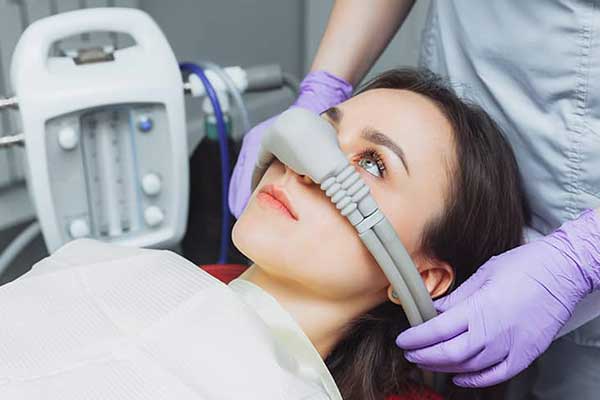
Nitrous Oxide: A small mask is placed over your nose. You’ll breathe normally and feel relaxed within 3-5 minutes.
Oral Sedation: Already taken before arrival; effects peak around procedure start time.
IV Sedation: A small IV catheter is inserted (usually in hand or arm). Sedative is administered gradually. You’ll feel drowsy within 1-2 minutes.
General Anesthesia: Administered by an anesthesiologist through IV. You’ll fall asleep within seconds.
Local Anesthesia
Once you’re relaxed, the dentist administers local anesthesia to numb the treatment area. With sedation, you likely won’t feel or remember the injection.
Dental Procedure
The dentist performs the planned treatment while the sedation team continuously monitors your vital signs and comfort level. The procedure duration varies based on treatment complexity (30 minutes to several hours).
Recovery Phase
After completion, sedation is stopped (nitrous oxide mask removed, IV medications discontinued). You’re moved to a recovery area where staff monitor you until you meet discharge criteria.
🔍 Continuous Monitoring During Sedation
Your safety is the top priority. Throughout the procedure, trained staff monitor:
- Oxygen Saturation (SpO2): Should remain above 95%
- Heart Rate and Rhythm: Tracked continuously via pulse oximeter or EKG
- Blood Pressure: Checked every 5-15 minutes
- Respiratory Rate: Ensuring adequate breathing
- Level of Consciousness: Verbal checks and response assessment
- Skin Color: Indicator of circulation and oxygenation
We use state-of-the-art monitoring equipment and maintain a 1:1 nurse-to-patient ratio for IV sedation and general anesthesia cases. Our sedation team includes certified anesthesia providers with over 15 years of experience.
😊 What You’ll Feel (Sensations by Sedation Level)
Nitrous Oxide Experience
- Mild euphoria or “floating” feeling
- Tingling in limbs
- Warm sensation
- Reduced awareness of surroundings
- Fully awake and able to respond
Oral Sedation Experience
- Drowsiness and heaviness
- Relaxed, carefree feeling
- May doze off but easily awakened
- Time seems to pass quickly
- Partial memory of procedure
IV Sedation Experience
- Rapid onset of deep relaxation
- Feeling of being “twilight”
- Little to no memory
- May sleep through procedure
- Can be aroused if needed
General Anesthesia Experience
- Complete unconsciousness
- Zero awareness or memory
- No sensation or pain
- Feels like instant time jump
- Wake up with procedure complete
Post-Sedation Recovery and Aftercare Instructions
Recovery from dental sedation varies depending on the type used. Following these guidelines ensures safe, comfortable recovery and optimal healing.
🏥 Immediate Post-Procedure (First 2-4 Hours)
Recovery Room Monitoring
You’ll remain in the dental office’s recovery area until you meet discharge criteria: stable vital signs, adequate alertness, ability to sit/stand with assistance, and minimal nausea. This typically takes 15-60 minutes depending on sedation type.
Discharge Instructions
Staff will provide written aftercare instructions, prescriptions if needed, emergency contact numbers, and schedule follow-up appointments. Make sure your escort understands the instructions.
Safe Transportation Home
Your escort drives you directly home (no stops at stores or errands). Sit in the back seat if possible. Have a basin ready in case of nausea during the drive.
Home Arrival
Go directly to bed or a comfortable recliner. Have your escort stay with you. Keep a phone nearby. Place a basin within reach in case of nausea.
🚫 Critical Restrictions for 24 Hours After Sedation
- Driving or operating machinery – Reaction times remain impaired
- Alcohol consumption – Dangerous interaction with residual sedatives
- Important decisions or signing legal documents – Judgment is impaired
- Caring for children or dependents alone – Need full alertness
- Cooking or using sharp objects – Safety hazard
- Taking non-prescribed medications – Risk of drug interactions
- Exercise or strenuous activity – Increases bleeding risk
✅ What You SHOULD Do (First 24 Hours)
- Rest extensively: Sleep as much as possible. Your body is recovering from both sedation and the dental procedure.
- Stay hydrated: Sip water frequently once nausea subsides (if any). Aim for 8 glasses throughout the day.
- Eat soft, mild foods: Start with clear liquids, progress to soft foods (yogurt, applesauce, smoothies, soup). Avoid hot foods for 2-3 hours (mouth may be numb).
- Take prescribed medications as directed: Pain medication, antibiotics, anti-nausea medication if provided.
- Use ice packs: 15 minutes on, 15 minutes off to reduce swelling (if applicable to your procedure).
- Keep head elevated: Use 2-3 pillows when lying down to minimize swelling.
- Have someone check on you regularly: Especially in the first 4-6 hours.
📅 Recovery Timeline by Sedation Type
| Sedation Type | Full Alertness | Return to Normal Activities | Return to Work |
|---|---|---|---|
| Nitrous Oxide | 5-10 minutes | Same day | Same day (if no other procedures) |
| Oral Sedation | 4-6 hours | 24 hours | 24 hours minimum |
| IV Sedation | 6-12 hours | 24-48 hours | 24-48 hours |
| General Anesthesia | 12-24 hours | 48-72 hours | 48-72 hours |
🩺 Normal vs. Emergency Symptoms
✓ Normal Side Effects
- Drowsiness and fatigue
- Mild nausea (usually resolves quickly)
- Mild headache
- Dry mouth
- Slight dizziness when standing
- Fuzzy memory of the procedure
- Mild confusion or grogginess
⚠️ Call Your Dentist If You Experience
- Persistent nausea/vomiting beyond 4 hours
- Severe headache not relieved by medication
- Extreme drowsiness lasting beyond expected time
- Allergic reaction signs (rash, itching, swelling)
- Unusual bruising or bleeding
- Fever above 101°F (38.3°C)
- Difficulty breathing or shortness of breath
- Chest pain or irregular heartbeat
- Seizures or convulsions
- Loss of consciousness or inability to wake
- Severe allergic reaction (facial swelling, throat closing)
- Uncontrolled bleeding
Call emergency services (911 or local emergency number) or go to the nearest emergency room.
🍽️ Recommended Post-Sedation Diet (First 24-48 Hours)
First 2 Hours (Numb Mouth)
- Nothing – avoid eating until numbness wears off
- Small sips of cool water only
- Ice chips if thirsty
Hours 2-6
- Clear liquids (water, apple juice, broth)
- Smoothies (room temperature)
- Yogurt (plain or vanilla)
- Applesauce
- Jello or pudding
Hours 6-24
- Mashed potatoes
- Scrambled eggs (soft)
- Oatmeal or cream of wheat
- Soup (lukewarm, not hot)
- Soft pasta
- Protein shakes
Days 2-3+
- Gradual return to normal diet
- Continue avoiding very hot foods
- Avoid hard, crunchy, or chewy foods near treatment site
- Listen to your body
Frequently Asked Questions About Sedation Dentistry
Yes, dental sedation is extremely safe when administered by trained professionals. Modern sedation dentistry follows strict protocols established by organizations like the American Dental Association (ADA) and the American Society of Anesthesiologists (ASA). Serious complications occur in less than 0.01% of cases. The key to safety is:
- Thorough medical screening before sedation
- Continuous monitoring during the procedure
- Use of proper equipment and emergency preparedness
- Trained, certified staff
At Laviva Clinic, our sedation team includes certified anesthesia providers and dentists with specialized training in sedation dentistry.
It depends on the type of sedation:
- Nitrous oxide and oral sedation: You remain conscious and responsive, just very relaxed
- IV sedation: You’re in a “twilight” state—semi-conscious but may not remember the procedure
- General anesthesia: You are completely unconscious with no awareness
Most dental procedures use conscious sedation (nitrous, oral, or IV), where you’re relaxed but can respond to commands. General anesthesia is reserved for complex cases or patients with extreme anxiety.
Duration varies by sedation type:
- Nitrous oxide: Wears off in 5-10 minutes after the mask is removed
- Oral sedation: Effects last 4-6 hours; residual drowsiness up to 24 hours
- IV sedation: Primary effects last 1-2 hours; full recovery takes 8-24 hours
- General anesthesia: You wake up quickly but feel groggy for 24-48 hours
Plan to rest for the remainder of the day for any sedation beyond nitrous oxide.
Fasting requirements depend on sedation type:
- Nitrous oxide: Light meal okay 2-3 hours before
- Oral sedation: No food 6-8 hours before; clear liquids until 2 hours before
- IV sedation: NPO (nothing by mouth) for 8 hours; small sips of water until 2 hours before
- General anesthesia: Complete NPO for 8-12 hours
Important: An empty stomach reduces nausea and prevents aspiration (inhaling stomach contents into lungs), a rare but serious complication. Always follow your dentist’s specific instructions.
Memory varies by sedation level:
- Nitrous oxide: You’ll likely remember most of the procedure
- Oral sedation: Partial memory—you may remember some moments but not others
- IV sedation: Most patients have little to no memory due to amnesia effects
- General anesthesia: Zero memory—you’ll wake up with the procedure complete
This amnesia effect is actually beneficial for anxious patients, as it prevents traumatic memories that could worsen dental phobia.
Nitrous oxide only: Yes, you can drive yourself home after nitrous oxide sedation, as it wears off completely within 5-10 minutes.
All other sedation types (oral, IV, general anesthesia): NO, you absolutely cannot drive. You must have a responsible adult (18+) drive you to and from the appointment. Your judgment, reaction time, and motor skills remain impaired for hours after the procedure, even if you feel “normal.”
Attempting to drive after sedation is dangerous and illegal in most jurisdictions. Plan transportation in advance.
2025 average costs vary by location and sedation type:
- Nitrous oxide: $50-$150 per session
- Oral sedation: $200-$500
- IV sedation: $500-$1,200
- General anesthesia: $1,000-$2,500+
At Laviva Clinic Istanbul: We offer the same quality sedation services at 50-60% lower costs than US/UK/EU rates. For example, IV sedation that costs $1,000 in the US typically costs $400-600 at our facility. This includes comprehensive monitoring, experienced staff, and state-of-the-art equipment.
Many dental insurance plans cover a portion of sedation costs when medically necessary. Check with your provider.
Yes, dental sedation is safe and commonly used for pediatric patients. Options include:
- Nitrous oxide: Very safe for children as young as 3-4 years old
- Oral sedation: Used for children who need moderate relaxation
- IV sedation or general anesthesia: Reserved for extensive dental work, very young children, or those with special needs
Pediatric sedation requires additional training and certification. The American Academy of Pediatric Dentistry (AAPD) provides specific guidelines for safe pediatric sedation. At Laviva Clinic, our team includes dentists trained in pediatric sedation protocols.
Common side effects are typically mild and temporary:
- Drowsiness and fatigue (most common, lasts several hours)
- Mild nausea (usually resolves within 1-2 hours)
- Headache (mild, responds to over-the-counter pain relievers)
- Dry mouth and thirst
- Dizziness when standing
- Confusion or memory gaps (short-term)
Serious side effects are extremely rare (less than 0.01%) and include allergic reactions or respiratory issues. Continuous monitoring during the procedure ensures any problems are immediately addressed.
Certain conditions require extra caution or may preclude sedation:
- Pregnancy or breastfeeding (especially first trimester)
- Severe respiratory disease (COPD, sleep apnea) without proper management
- Uncontrolled hypertension or recent heart attack
- Allergies to sedative medications
- Certain neurological disorders
- Substance abuse history (requires special protocols)
This doesn’t mean sedation is impossible—just that your dentist needs to take special precautions, adjust medications, or choose alternative sedation methods. Always disclose your complete medical history during consultation.
The right sedation depends on several factors:
- Anxiety level: Mild anxiety → nitrous oxide; moderate → oral sedation; severe → IV sedation or general anesthesia
- Procedure length and complexity: Short procedures → lighter sedation; extensive work → deeper sedation
- Medical history: Certain conditions may limit options
- Previous sedation experiences: What worked or didn’t work before
- Personal preference: Some patients want to be more aware; others prefer no memory
- Cost considerations: Deeper sedation costs more
Discuss these factors with your dentist during consultation. They’ll recommend the most appropriate option based on your unique situation.
In most cases, yes, but it requires careful coordination. Important considerations:
- Blood thinners: May need temporary adjustment
- Diabetes medications: Timing and dosing may be modified due to fasting
- Blood pressure medications: Usually continued, but timing may be adjusted
- Antidepressants/anti-anxiety medications: Can interact with sedatives; dosing adjustments needed
- Herbal supplements: Some (St. John’s Wort, Kava, Valerian) must be stopped before sedation
Critical: Provide a complete list of ALL medications (prescription, over-the-counter, supplements) during your consultation. Never stop or adjust medications without your dentist and physician’s approval.
🏥 Experience Anxiety-Free Dentistry at Laviva Clinic Istanbul
World-class sedation dentistry at unbeatable prices. Transform your dental fear into comfort with our expert team.
✓ Certified Anesthesia Providers | ✓ State-of-the-Art Monitoring | ✓ All Sedation Types Available
✓ 50-60% Cost Savings vs. US/EU | ✓ 15+ Years Experience | ✓ Multilingual Staff
📞 Contact us for personalized sedation assessment
Final Thoughts: Embracing Modern Sedation Dentistry
Dental sedation has revolutionized how millions of people experience dental care. What was once a source of extreme anxiety and avoidance has become a comfortable, even pleasant experience. In 2025, sedation dentistry is safer, more effective, and more accessible than ever before.
The key to successful sedation dentistry lies in:
- Choosing the right dental practice: Look for experienced professionals with proper sedation training and certification
- Open communication: Honestly discuss your medical history, anxiety levels, and expectations
- Following pre-sedation instructions carefully: Proper preparation ensures safety and optimal results
- Trusting the process: Modern protocols and continuous monitoring make sedation extremely safe
- Planning adequate recovery time: Give your body time to fully recover from sedation
At Laviva Clinic Istanbul, we’re committed to making dental care accessible and comfortable for everyone, especially those with dental anxiety. Our sedation dentistry services combine international safety standards, experienced professionals, and compassionate care at prices that don’t break the bank.
Whether you need a simple dental treatment, dental implants, a Hollywood smile transformation, or complex cosmetic dental work, sedation dentistry can make your experience comfortable and stress-free.
Don’t let dental anxiety prevent you from achieving optimal oral health and a beautiful smile. With proper sedation, comprehensive preparation, and expert care, your dental visit can be as comfortable as taking a peaceful nap. Contact Laviva Clinic today to discuss your sedation options and take the first step toward anxiety-free dentistry.
📚 Continue Your Dental Journey
Disclaimer: This guide is for informational purposes only and does not constitute medical advice. Always consult with qualified healthcare professionals before making decisions about sedation dentistry. Individual experiences and requirements may vary based on medical history, procedure type, and other factors.
Last Updated: January 2025 | Author: Laviva Clinic Dental Team | Reviewed by: Dr. Wahid Kethkhada, DDS